Master Of Orion

| a game by | SimTex, Inc. |
| Platform: | PC (1993) |
| Concept: | Conquer space with military might, technological superiority, or diplomatic deception. |
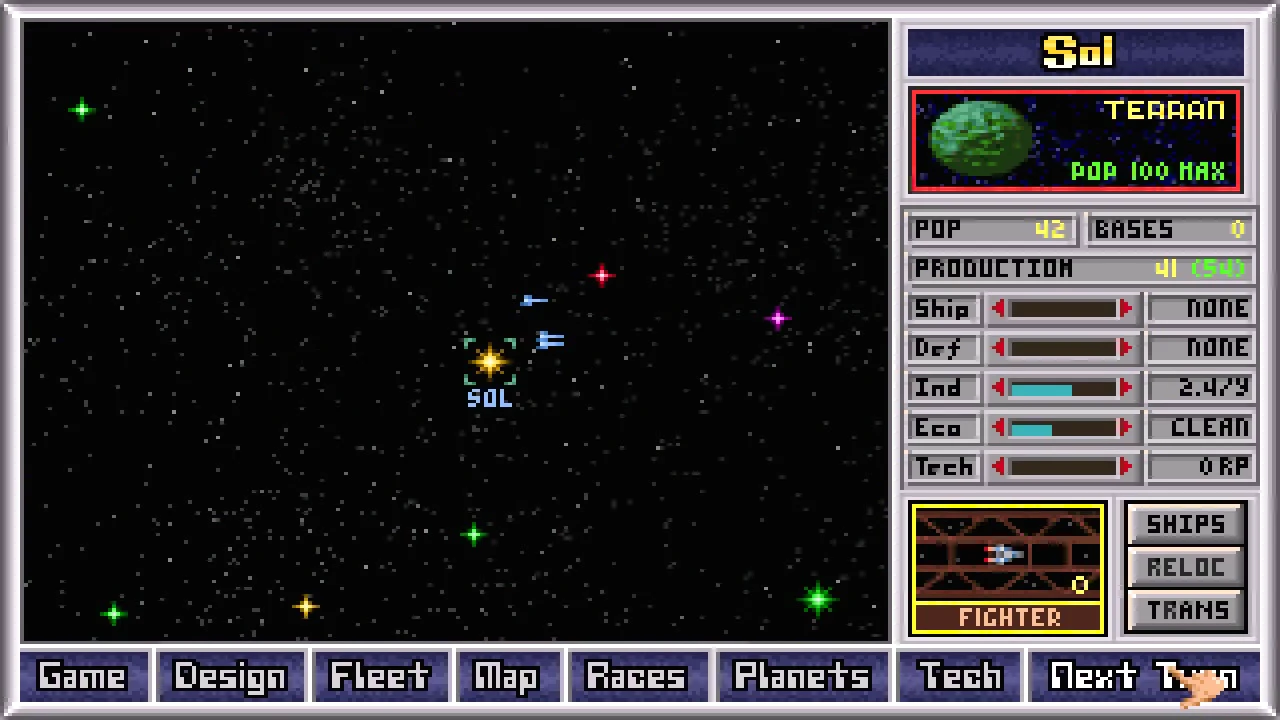
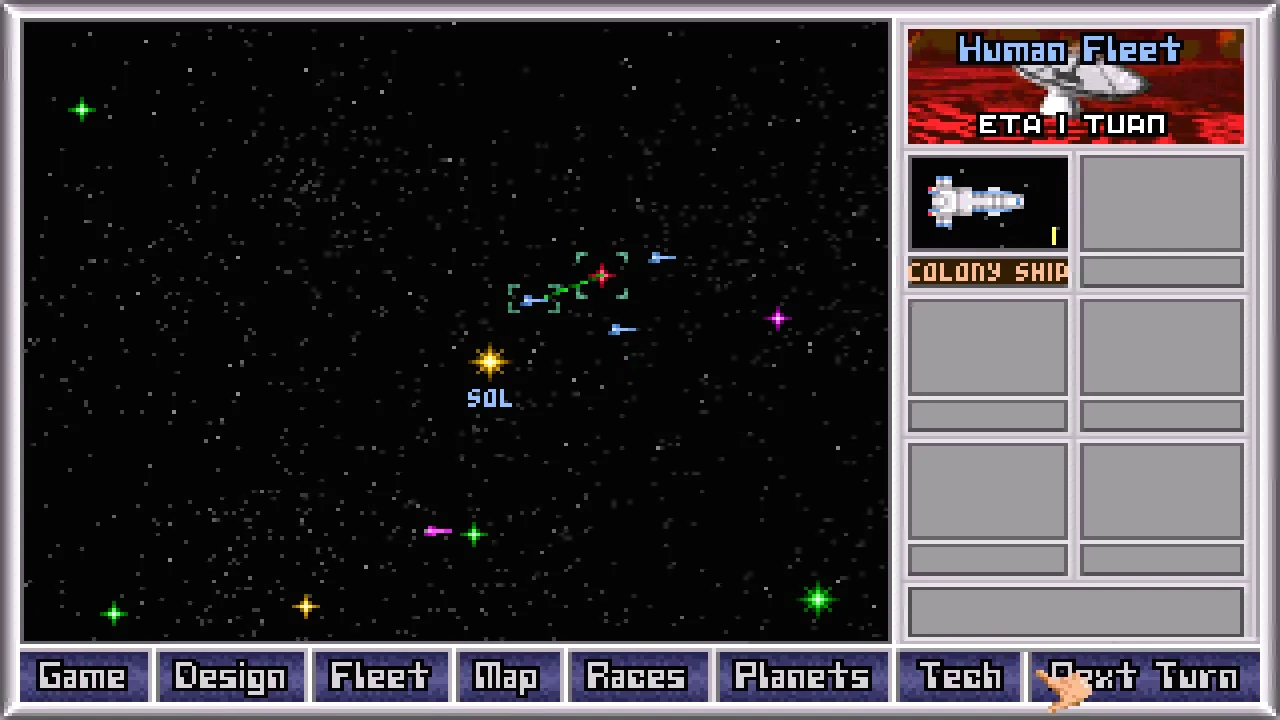
| Graphics: | This may be the visual high point for 4X space titles. Everything looks exquisite, highlighted by planetary colonization scenes and raucous space battles. |
| Sound: | Advisors for each race and narration bring out the flavor with a cool cast of voice actors, and the music keeps things suitably relaxed or intense as the situations change. |
| Playability: | Incredibly welcoming, the experience is streamlined to accommodate those new to the strategy archetype, but there’s still a lot to take in. |
| Entertainment: | A polished renewal of the classic franchise that’s more suited for genre newcomers than for fans looking for a highly complex strategy game. |
| User Rating: | 9.0/10 - 2 votes |
| Rate this game: | |
| Updated: | Aug 14, 2026 |
| See also: | Strategy Games, Master of Orion Series |
 Downloads
The game that put the term 4X (explore, expand, exploit, and exterminate) on the galaxy map is getting a massive makeover as Wargaming and NGD Studios reboot the classic strategy title. In Master of Orion, players attempt to conquer the stars via a variety of methods, from military might to deceptive diplomacy, as they engage with a turn-based system that should be familiar to players that missed out on the fun back in 1993.
While NGD is taking the utmost care to keep Master of Orion true to its complex strategy roots, the studio wants to make it more approachable through user-interface improvements and intuitive gameplay. Instead of having to dig through four esoteric drop-down menus, players can find all the options they need directly at their fingertips.
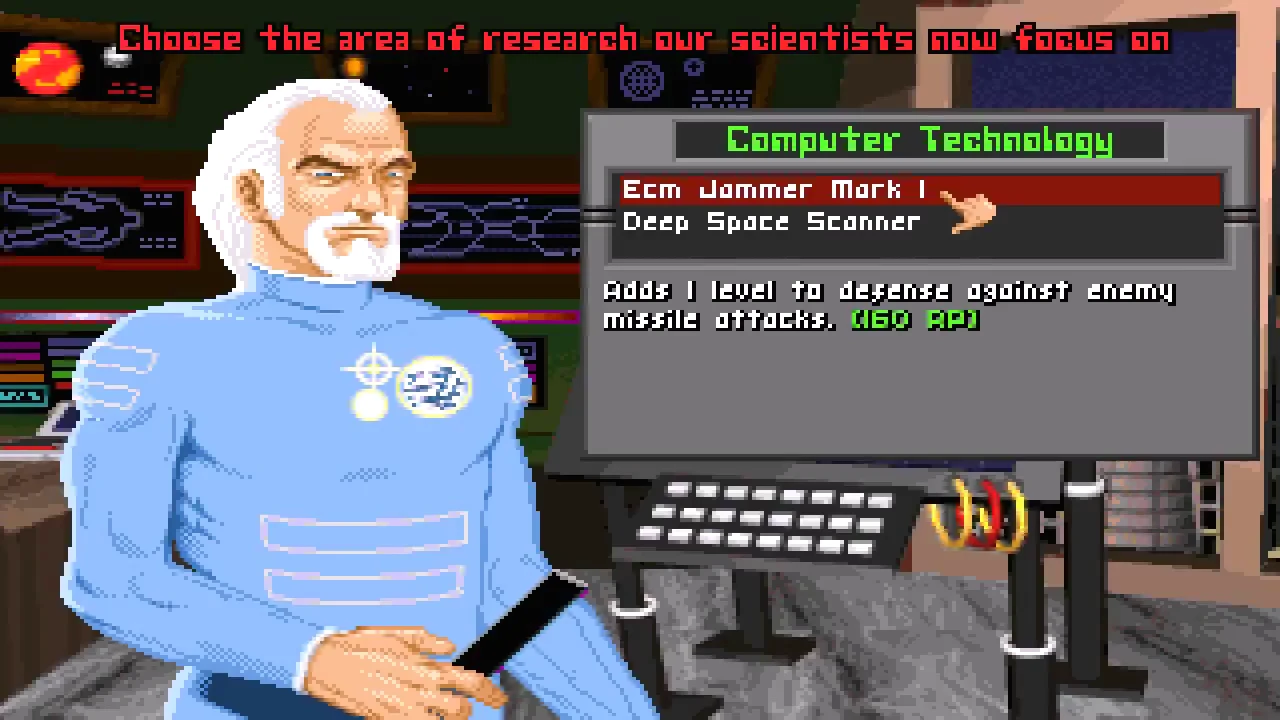
Technological advances allow the unique races of the galaxies to express their more colorful side through voice acting and dialogue as they interact with the player, and the advisors on your side help walk you through important decisions as you pick new technologies and allocate your workers on each planet. While you’re free to engage with the game at a top level and improve your technology, economy, or military might, a lot of interesting scenarios pop up turn-to-turn. You may have to manage pollution on your planets based on your production or even face biochemical warfare. If you don’t deal with it, your planet may degrade, going from a bountiful ocean planet into a less attractive (and less productive) marsh.
Balancing worker morale is necessary to make sure production is smooth, as taxes and war can take their toll. If morale sinks too low, your population may go on strike, bringing production to a halt. Depending on your strategies, you may want to invest in various perks or entertainment to boost morale and offset potential negatives.
Cloak-and-dagger strategies allow you to sabotage and steal from your opponents and protect your own assets through counter-espionage. In addition to the other factions in the game all trying to interfere with your route to victory, you’ll have to deal with wandering space monsters, independent planets, and a whole slathering of other minutia.
Download Master Of Orion
System requirements:
- PC compatible
- Operating systems: Windows 10/Windows 8/Windows 7/2000/Vista/WinXP
Game Reviews
More than 20 years ago, Alan Emrich coined the term “4X” (Explore, Expand, Exploit, and Exterminate) in a preview for Computer Gaming World. The game being described was Master of Orion, and the strategy genre owes much to the classic title; it is essentially the grandfather of all space 4X that came after, and living up to that nostalgia and innovation is a daunting task. This revival takes aspects of Master of Orion and Master of Orion 2 and streamlines the experience to make it much more accessible. Giving everything a modern coat of polish has resulted in an enjoyable 4X experience, even if it’s not quite as complex or deep as hardcore genre fans may desire.
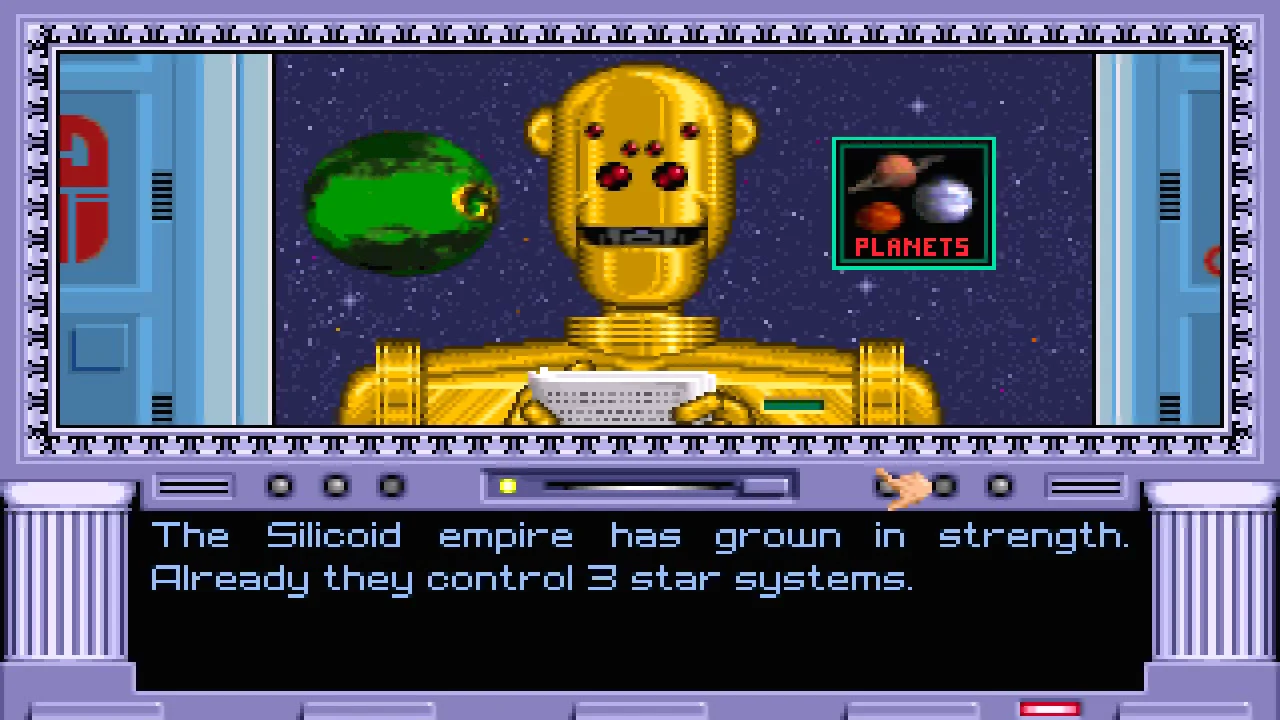
Before getting into the action, you pick a race to complement your playstyle. I gravitated to the xenophobic Silicoids, an outcast race that can handle intense environments and eats rocks, so they benefit from zero food consumption. The hive-like Klackon stepped into my second favorite seat, but for those who really like to min-max their experience, you can create a custom race with traits tailored to your specific needs. The races aren’t lacking in flavor or personality, and it’s fun to branch out of your comfort zone.
Gameplay is welcoming (especially within a genre known for intimidating newcomers), with a handy advisor available to let you know what you’re missing and offer suggestions. More experienced players can turn the advisor off, but it’s a comprehensive and useful way to learn the ins and outs of galactic conquest. The turn process also ensures you’ve handled active units, production concerns, and technology before passing, so you always know exactly what’s going on. Espionage and spying are awesome, and implemented in an easy-to-use fashion anyone can get into — even players that may shy away from these sorts of shenanigans in other titles.
As you explore, you uncover new planets, make friends and enemies, and develop your colonized worlds with all kinds of defenses and upgrades. Your decisions here tie into your overarching strategy, whether you want to be a warmonger, technocrat, diplomat, expansionist, or some combination of everything. The passage of time is dotted with other interesting world events, which are reported on with little news-broadcast cutscenes. GNN News offers insight when a strange new creature appears in space, when large-scale disasters happen, and when the balance of power shifts. World events and GNN help shake up the traditional turn structure and add variance and flavor to the strategy formula.
One significant diversion from the franchise roots is the combat process. Turn-based battles are a thing of the past, giving way to real-time-with-pause fights, should you wish to take control of your units directly (auto-resolve is still the easiest way to handle ship battles). While I’m sure many purists will scoff at the lack of a turn-based option, the faster pace of real time worked for me. As much as I appreciate turn-based battles, I would rather get a few more games in with the time saved by the more modern approach.
Master of Orion’s simplified nature works well in some areas, but it causes the experience to lose life in others. Technology trees are so streamlined that sometimes you forget you’re playing a unique race halfway through a game; things feel like they always end up in the same place. “Star lanes” keep your fleets and starships on tracks, effectively corralling the action and limiting mobility, forming disappointing bottlenecks.
Master of Orion is an incredibly polished iteration and a worthwhile return to the beloved franchise, but it’s entering a galaxy full of fierce competition as the space 4X genre has seen a big bang of resurgence over the last few years. Master of Orion boasts a lot to love for new players, and it’s one of the best entry-level 4X games out there, but veterans may find themselves searching the stars for more complexity.
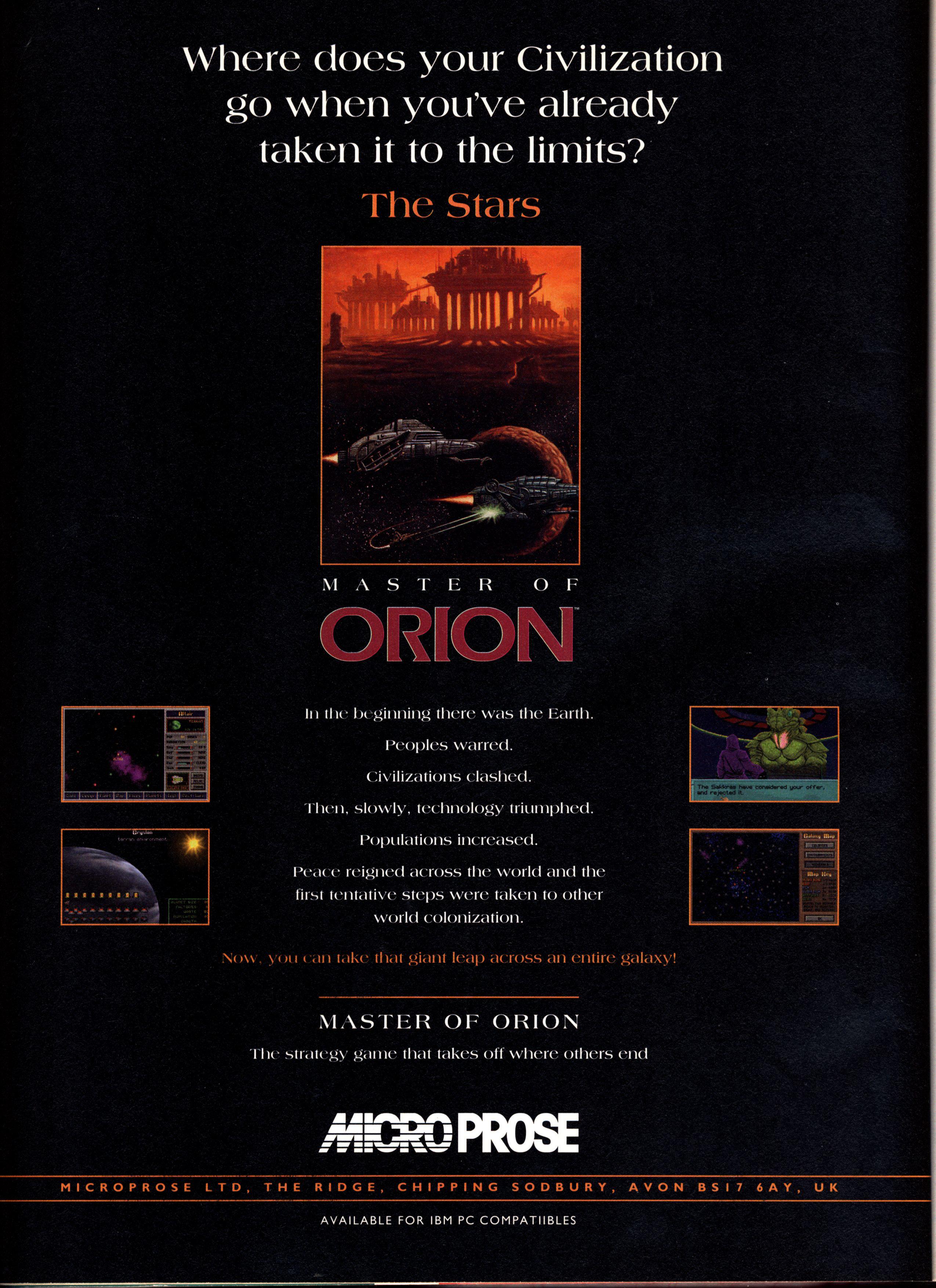
Space, think about it for too long and it can do your head in. Space strategy games can have much the same effect. The more you play them, the more you lose touch with reality. You get so engrossed in the defence revenue of the planet Dork, and the race to be the first to develop the Fluoride-Paste Fusion laser, that events happening in the real world (i.e. not on your pc screen) seem light years away. Of course this can happen with any kind of game, but it's easier to explain away the thrills of ripping the head off a sprite in a beat 'em-up or flying the latest turbo jet in a new flight sim than it is to say, 'Actually, I've spent the last few nights allocating the planetary budget for Zwathos and developing a nucleus-schmucleus engine that can reach a top speed of ten parsecs a sencoid'. People tend to say: 'Err, sorry mate, I haven't got any change,' and walk off at a brisk pace. But space strategies can be a lorra fun and Master Of Orion is a true strategy game, more akin to Civilization than a war game. MicroProse has produced a game for the megalomaniac where you start off with a single planet and attempt to pull an entire galaxy into your grasp by fighting, spying, breeding, constructing, engineering and, of course, accounting.
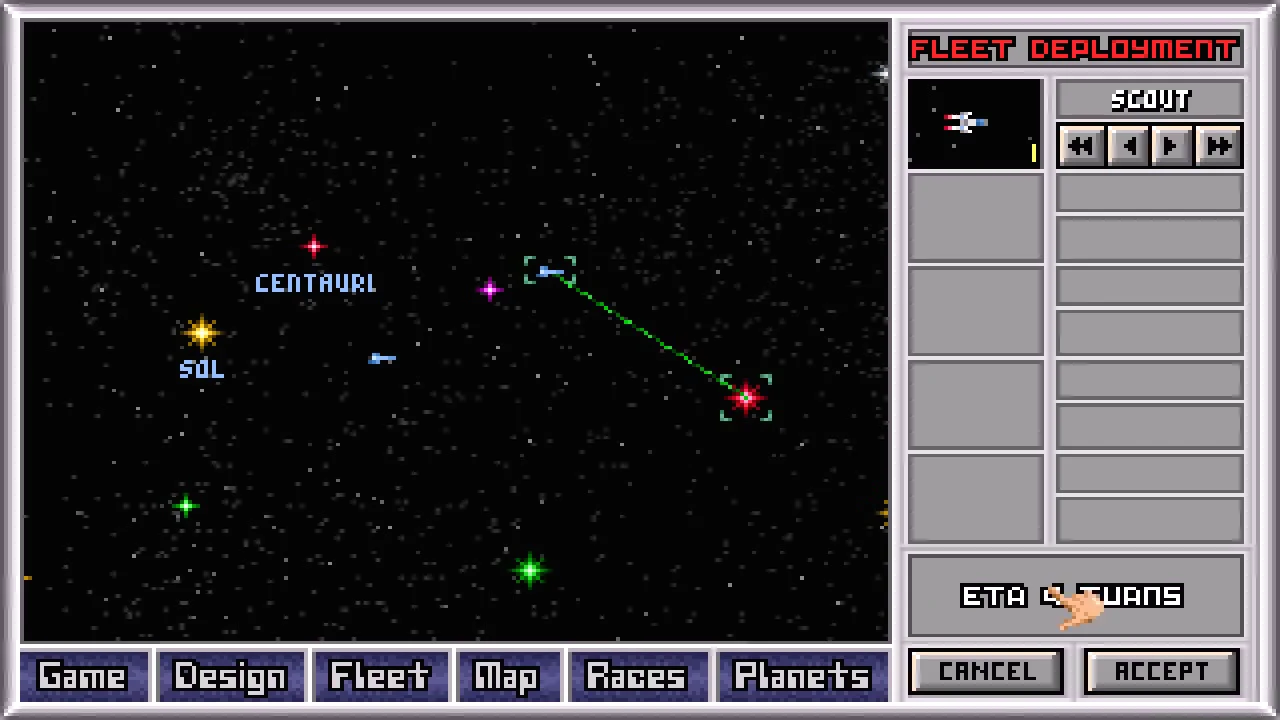
Contrary to the popular saying, the future is not always rosy. Over the next 200 years the Earth's population could easily outstrip its resources and threaten to end life as we know it. And if the world becomes too small and barren, our only hope is to find another one. This is the premise behind Master of Orion. In MicroProse's work of science fiction, by the 23rd Century ten races own the technical wizardry enabling them to explore deep space - so they do. This is not to find out if anyone else is out there; the intention is to claim undiscovered planets for themselves and settle nice little families on them to breed, exploit its mineral wealth and act as a base to go even further into space.
Waster Of Orion kicks off with just vou (as Emperor of one of the ten races), your over-populated planet and a galaxy of stars - all as yet ey undiscovered. By sending out scout ships to find the best planets for habitation, and following up the good leads with colony ships, you merrily go about your business of empire-making. Unfortunately, there's a whole load of other races out there doing the same thing and, as history has taught us when emperors look to expand their boundaries it all ends in tears - usually war. When half of the galaxy has been colonised by you, or others, a High Council is formed on a proportional representation type system - each race gets one vote for every too units of population (a none too euphemistic phrase for, er, men and women, psilans and psilanesses, sakkra and sakkraesses - whatever life form you happen to be). If any race gets a two-thirds majority on the High Council, the emperor of that race is crowned High Master aka Master of Orion aka general Big Cheese and winner of the game.
There are many ways to achieve this objective, from exploiting the undiscovered planets and being nice to other races in the hope that they will cast their vote for you at the council meeting (Naive Strategy), to massacring any alien you come across and taking their planets (Foolhardy-But-Fun Strategy). A mixture of the two (Play-The-Game-Properly Strategy) is well advised. The best way to swamp the galaxy with members of your race is to find the randiest buggers possible, plonk them down on an uninhabited planet and get the atmosphere just right for breeding - this doesn't mean soft lights and Barry White records, but concentrating resources on keeping the atmosphere clean and free of industrial waste. Macho types can also just bomb the crap out of an already-inhabited planet and then take it for themselves.
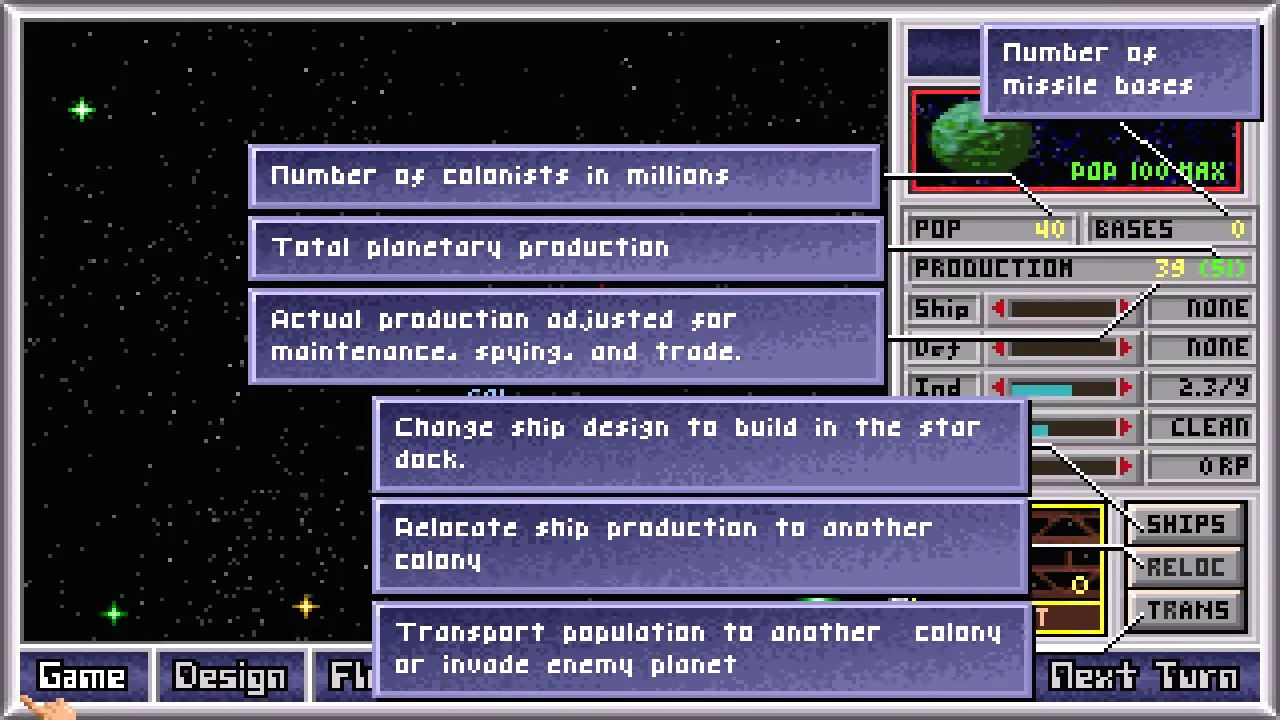
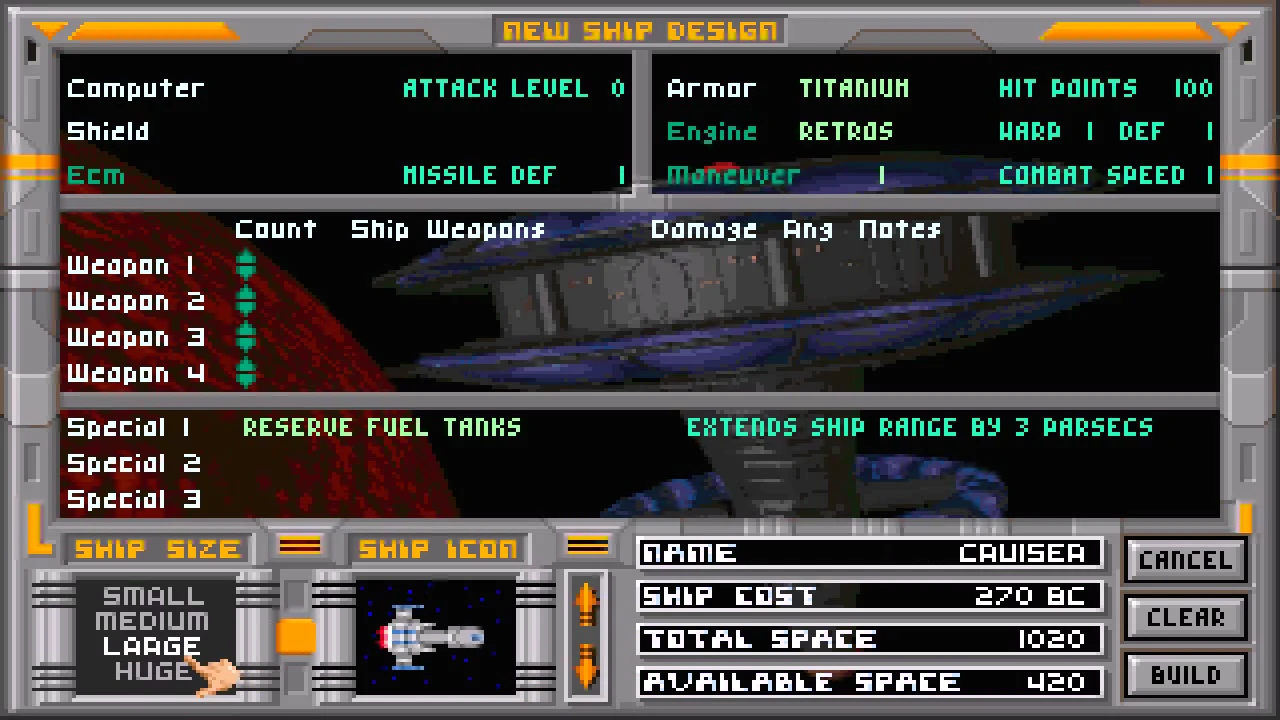
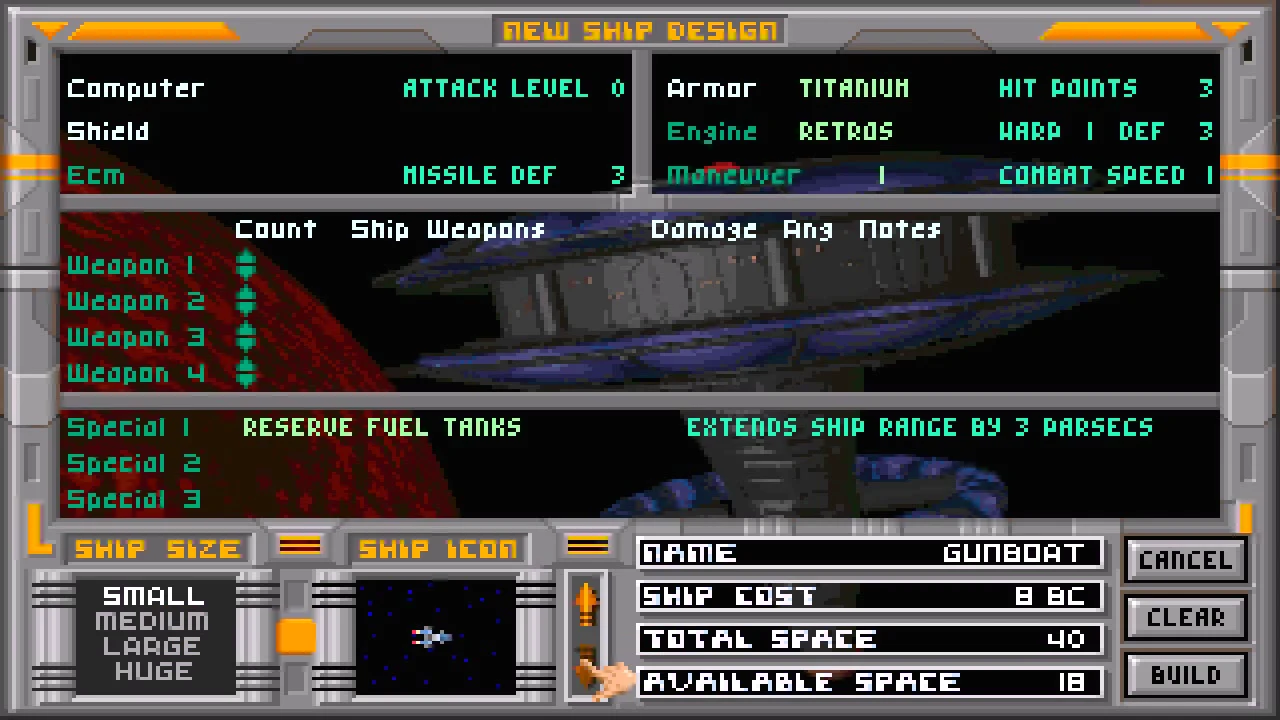
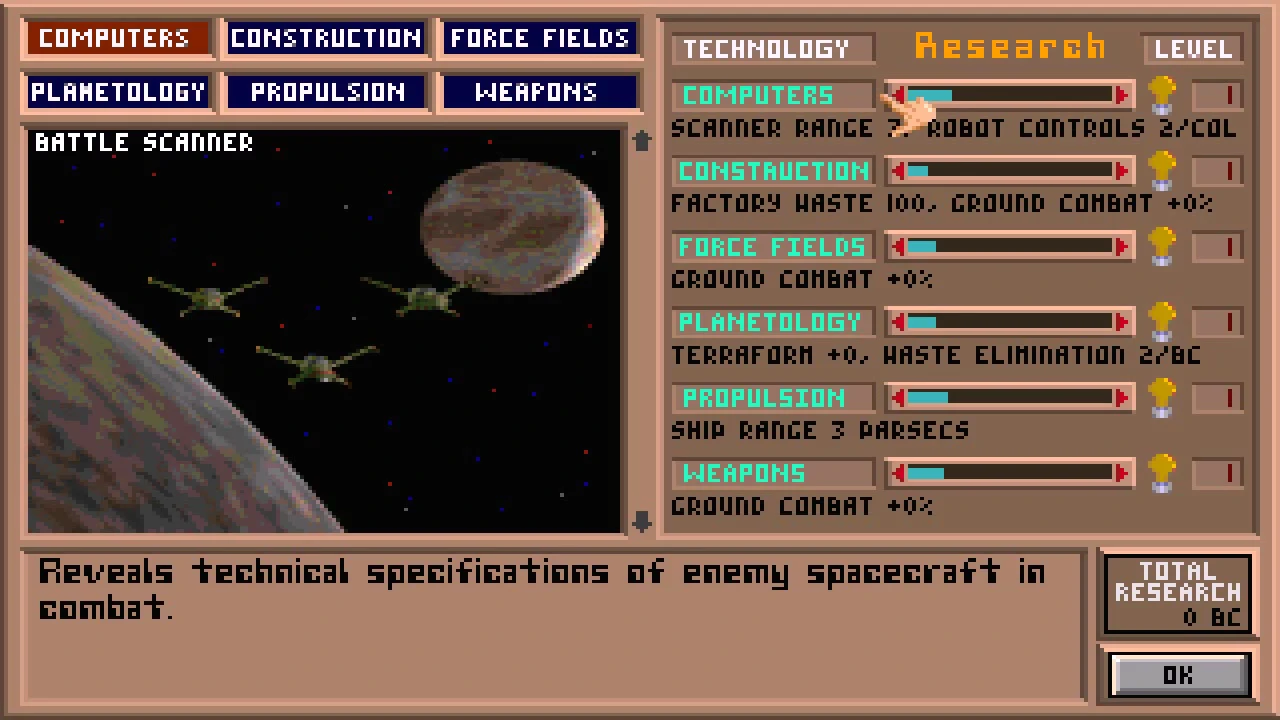
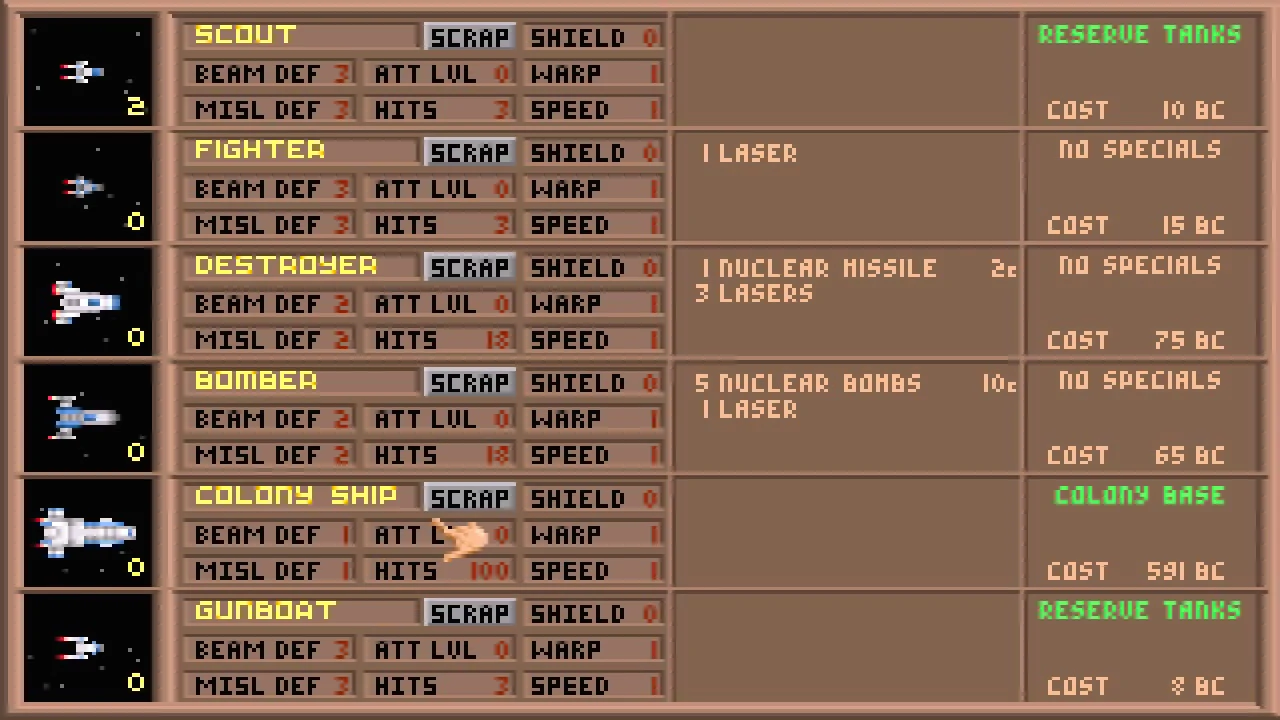
Searching out new life, new civilisations and keeping a handle on the ones you already have is a full-time job and not for those with a short attention span. Master Of Orion is not just a combat-strategy game, but the full life, universe and everything game. A watchful eye must be kept on all of your planets as well as finding new ones and keeping tabs on the other races. With a number of colonies under your belt, resources need to be juggled carefully: technology needs to advance apace; new ships have to be designed to incorporate all the latest gizmos; planets need to be defended; pirates need to be shooed off, and life forms and hardware need to be transported to and fro around the galaxy. Each planet has a set of status bars which keep you updated on the time and energy being put into various activities, and these need to be changed constantly as you exploit that planet's resources.
The initial gameplay is a pretty straightforward 'find planet, colonise it, allocate resources to increase productivity and search for another planet' scenario. A tad boring once you have the hang of it, but luckily it's not long before you stumble across other races. (Galaxy size and the amount of alien colonies is user-definable; if you play in a small galaxy other life forms are encountered almost immediately, whereas this can take some time with huge game-maps.) When another race is first encountered you have a pedestrian turn-based dogfight but once contact has been made you can communicate and attempt to make trade agreements or alliances, swap technology secrets or declare war. Becoming pally with other races is beneficial for trade and is a good war-avoidance tactic, but it also allows you to plant spies who will get involved in industrial espionage and sabotage.
A hefty wad of manual makes the whole thing daunting at first sight and, although the interface is simple for a game of this complexity, its menus within menus within menus puts the user on a steep learning curve. But once you've worked out how to negotiate the galaxy it does become gripping and it's actually hard not to get excited about learning a new terraforming technique, or being the first in the galaxy with a Fusion engine. Good organisational skills and a penchant for status bars are a pre-requisite. Shoot 'em-up fiends should not apply.
Snapshots and Media
PC Screenshots


 Allied General
 Gold Of The Americas
 Heroes Of Might And Magic
 Incubation: Time Is Running Out
 Nectaris: Military Madness
 Захват США
 The Banner Saga